

Sleeping upright while traveling often leads to a stiff neck, restless legs, and hours spent shifting in your seat, wishing for real rest. Regular neck pillows rarely solve the problem completely, and waking up achy and groggy feels unavoidable. But you can unlock true comfort with a few proven adjustments and clever support choices.
This guide is packed with practical solutions that draw on ergonomic research and expert tips, showing you how to align your spine, reduce muscle strain, and create a stable, restful position on your next journey. Discover fresh ways to customize your setup and turn any seat into a more supportive, restful spot. Get ready to learn smart strategies that can transform your upright sleeping experience and leave you feeling much better when you arrive.
Table of Contents
Quick Summary
| Takeaway | Explanation |
| 1. Choose an Upright Support Pillow | Look for pillows that provide full upper body support, preventing collapse during travel. |
| 2. Customize Pillow with Clothing | Use strategically packed clothing to adjust pillow height and firmness for personalized comfort. |
| 3. Position for Diagonal Resting | Angle your body slightly to support natural spine curvature, reducing strain during travel. |
| 4. Avoid Neck-Only Pillows | Prioritize pillows that support the entire upper body to prevent muscle strain and discomfort. |
| 5. Maintain Airflow and Reduce Heat | Select breathable pillow materials and light layers to promote cooling and comfort while sleeping. |
1. Choose a Pillow Designed for Upright Support
Designing the right travel pillow requires more than just cushioning - it demands strategic body support. Most traditional neck pillows fail travelers by focusing only on the neck rather than the head positioning while ignoring the critical role of upper body alignment.
When searching for an effective upright sleeping solution, prioritize pillows that provide comprehensive support across multiple body zones. The goal is to create a stable resting platform that prevents your body from collapsing forward or sideways during travel.
Key features to look for in an upright support pillow include:
-
Diagonal torso stabilization
-
Adaptable height and firmness
-
Ability to distribute weight evenly
-
Breathable materials that prevent heat buildup
-
Compact design for easy travel
Ergonomic research on travel support highlights the importance of pillows that maintain proper cervical spine alignment. Traditional U-shaped neck pillows often restrict movement and trap heat, creating more discomfort than relief.
The right travel pillow should feel like an extension of your body - supporting without constraining.
Unlike standard neck cushions, advanced travel pillows now incorporate design principles that mimic natural resting positions. These innovative solutions recognize that comfort isn’t about immobilizing your head but providing gentle, adaptive support. When seated, gravitational force pulling the head and body down is the real problem.
Pro tip: When testing travel pillows, simulate your typical sitting position and assess how the pillow responds to your body’s natural movements.
2. Customize Pillow Height and Firmness with Clothing
Travel comfort is about intelligent adaptation not rigid solutions. Your clothing can transform into the perfect personalized support system during long journeys.
The secret to creating an ideal travel pillow lies in strategically using the clothing you already packed. By leveraging different fabric types and layers, you can dynamically adjust pillow height and firmness to match your body’s unique needs.
Key strategies for clothing-based pillow customization include:
-
Roll sweaters or jackets for firmer support
-
Layer lightweight shirts for gradual height increase
-
Use stiffer fabrics like denim for structured support
-
Fold softer materials like fleece for cushioning
-
Mix fabric types to achieve precise comfort levels
Safe sleep environment research demonstrates how strategic layering contributes to comfortable resting positions. The thermophysical properties of different clothing materials allow travelers to create a personalized support system.
Your packed clothing is more than just something to wear - it’s a versatile comfort toolkit.
Understanding fabric density and compression helps travelers craft a pillow that responds to their body’s specific alignment requirements. Thicker fabrics provide more structure while thinner materials offer gentle, adaptive support.
Pro tip: Practice packing a few strategically chosen clothing items that can double as multipurpose pillow padding for maximum travel flexibility.
3. Position Your Body for Natural Diagonal Resting
Upright sleeping isn’t about fighting your body’s natural mechanics it’s about working with them. The secret to comfortable travel rest lies in understanding how to position yourself for maximum support and minimal strain.
Most travelers unknowingly create tension by sitting rigidly or collapsing forward. Instead optimal body positioning requires a strategic diagonal approach that follows your spine’s natural curvature.
Key principles of diagonal body positioning include:
-
Angle your body slightly to one side
-
Allow shoulders to lean into the pillow
-
Distribute weight across multiple body points
-
Prevent direct vertical compression of the spine
-
Use pillow support to maintain gentle diagonal alignment
Brain research on sleep postures reveals that body positioning dramatically impacts rest quality. By mimicking side sleeping mechanics even while upright travelers can significantly reduce physical stress.
Your body wants to move and adjust - give it permission to do so comfortably.
The diagonal resting position isn’t about perfect symmetry but about creating a dynamic support structure that adapts to your body’s natural movement patterns. Think of it as a fluid compromise between sitting and sleeping.
Pro tip: Practice your diagonal resting position before travel by experimenting with pillow placement and body angle during home relaxation.
4. Avoid Neck-Only Pillows That Cause Strain
Not all travel pillows are created equal. Traditional neck-only designs often create more problems than they solve by concentrating pressure on a single vulnerable body part.
Neck-only pillows fundamentally misunderstand body mechanics. They squeeze and wrap around the neck creating unnatural tension points that lead to muscle strain and discomfort during travel.
Common issues with neck-only pillows include:
-
Restricted blood circulation from the choking and squeezing
-
Increased muscle tension
-
Uneven weight distribution
-
Limited range of motion
-
Potential long-term postural damage
-
Heat buildup around neck area
-
Minimal actual support
NIH sleep research emphasizes the importance of comprehensive body support rather than isolated neck cushioning. Effective travel rest requires a holistic approach that considers multiple body zones.
Your neck doesn’t travel alone - support the entire upper body ecosystem.
Instead of trapping your neck in a restrictive U-shape travelers should seek pillows that provide dynamic support across shoulders jaw and upper torso. The goal is fluid movement not rigid immobilization.
Pro tip: When shopping for travel pillows prioritize designs that distribute support across multiple body points rather than concentrating pressure on a single area.
5. Keep Airflow and Reduce Heat While Sleeping
Travel sleeping isn’t just about finding a comfortable position it’s about creating an environment where your body can actually rest. Heat and restricted airflow can transform what should be relaxing downtime into a sweaty uncomfortable experience.
Thermal management matters more than most travelers realize. Traditional travel pillows trap heat create moisture and prevent natural body cooling mechanisms from working effectively.
Strategies for maintaining cool comfortable sleep include:
-
Choose breathable pillow materials
-
Position yourself to maximize air circulation
-
Wear lightweight moisture-wicking layers
-
Avoid multiple dense fabric layers
-
Use minimal compression around neck and shoulders
-
Select designs with open ventilation channels
-
Stay hydrated to regulate body temperature
CDC heat protection guidelines emphasize the critical role of temperature management in maintaining personal comfort and health.
Your body is a sophisticated cooling system - don’t block its natural mechanisms.
The key is finding a travel sleep solution that allows your body to breathe and regulate temperature naturally. Rigid neck wraps and compression designs work against your body’s innate cooling processes.
Pro tip: Select travel pillows with mesh or perforated designs that actively promote air circulation and prevent heat buildup.
6. Support Your Jaw and Chest for Stability
Most travelers overlook a critical aspect of comfortable upright sleeping: jaw and chest support. Your body doesn’t rest in isolated segments it functions as an interconnected system that requires holistic stability. Here’s what most travelers misunderstand about rest. The body needs to feel safe, supported, and comfort so it can let go and the muscles relax before the mind can become quiet.
Full body alignment starts with strategic support. Traditional travel pillows treat the neck and head like disconnected parts instead of understanding their relationship to the entire upper body structure.
Key reasons to focus on jaw and chest support include:
-
Prevents forward head slouching
-
Reduces muscle tension
-
Maintains natural spine curvature
-
Distributes weight evenly
-
Minimizes strain on neck muscles
-
Creates a stable resting platform
-
Helps prevent long-term postural issues
NASA research on astronaut recovery demonstrates how critical comprehensive body support is for reducing physical strain during extended periods of stress.
Your jaw isn’t an isolated point it’s a central stabilization anchor for your entire upper body.
The goal isn’t rigid immobilization but creating a supportive environment that allows natural movement while preventing excessive strain. Think of it as creating a responsive framework that moves with your body.
Pro tip: When selecting a travel pillow prioritize designs that create a gentle diagonal support line from your jaw through your chest.
7. Use Packing Efficiency for Comfort and Space Savings
Effective travelers know that comfort and space efficiency aren’t competing goals they’re complementary strategies. Your travel gear should work harder not take up more space.
Multipurpose design transforms travel comfort. Instead of carrying bulky single-use items travelers can now select smart solutions that serve multiple functions while minimizing luggage weight.
Strategies for maximizing packing efficiency include:
-
Choose compressible travel pillows
-
Select items with dual purposes
-
Pack lightweight versatile clothing layers
-
Use compression packing techniques
-
Prioritize space-saving materials
-
Minimize rigid travel accessories
-
Opt for adaptable support systems
NASA human space travel research emphasizes the critical importance of compact multi-functional equipment in constrained travel environments.
Smart packing isn’t about carrying less it’s about carrying smarter.
The most innovative travel solutions recognize that comfort doesn’t require volume. By selecting gear designed to adapt and compress travelers can create personalized support systems without sacrificing precious luggage space.
Pro tip: Select travel pillows that can double as packing cylinders allowing you to stuff clothing inside for added structure and efficiency.
Below is a comprehensive table summarizing strategies and design principles for achieving comfort during upright travel sleep as discussed in the article.
| Topic | Description | Key Takeaways |
| Pillow Design for Upright Support | Prioritize pillows with comprehensive support across multiple body zones, including diagonal torso stabilization, adaptable height and firmness, and breathable materials. | Ensure alignment and comfort to prevent body collapsing during use. |
| Clothing for Custom Pillow | Leverage packed clothing by rolling or folding items to customize pillow height and firmness according to personal needs. | Efficient use of available resources to enhance comfort. |
| Diagonal Body Positioning | Adopt a slight diagonal angle while sitting to mimic natural spine curvature, preventing tension buildup. | Promotes natural alignment for reduced physical strain. |
| Neck-Only Pillow Concerns | Avoid pillows that concentrate support on the neck alone, as they may cause strain and discomfort. | Choose pillows that distribute support across the jaw, shoulders, and torso. |
| Thermal Management | Select breathable pillow designs and moisture-wicking clothing to prevent heat buildup and ensure airflow. | Maintains a comfortable temperature and improves sleep quality. |
| Jaw and Chest Support | Focus on pillows that align the jaw and chest to create stable upper body alignment. | Prevents slouching and supports the cervical spine effectively. |
| Packing Efficiency | Choose multi-purpose travel pillows and techniques to minimize luggage volume without sacrificing comfort. | Enhances mobility and optimizes space use during travel. |
Experience True Upright Travel Comfort with Bolstie Travel Pillow
Traveling in economy class often leaves you fighting neck strain, heat buildup, and uncomfortable positions. This article clearly shows how traditional neck-only pillows limit your rest and create tension. If you want to sleep upright without the forward head drop or muscle pain, the key is full upper body support designed around your natural diagonal resting position.
Bolstie Travel Pillow offers a smart, space-saving solution that supports your head, jaw, chest, and upper torso. It adapts perfectly to your upright posture while allowing airflow to keep you cool and comfortable for long-haul flights, car rides, or train trips. Unlike conventional pillows, Bolstie does not constrict your neck but provides gentle stability where you truly need it. Plus, you can pack it with your clothing to create firm support and save luggage space.
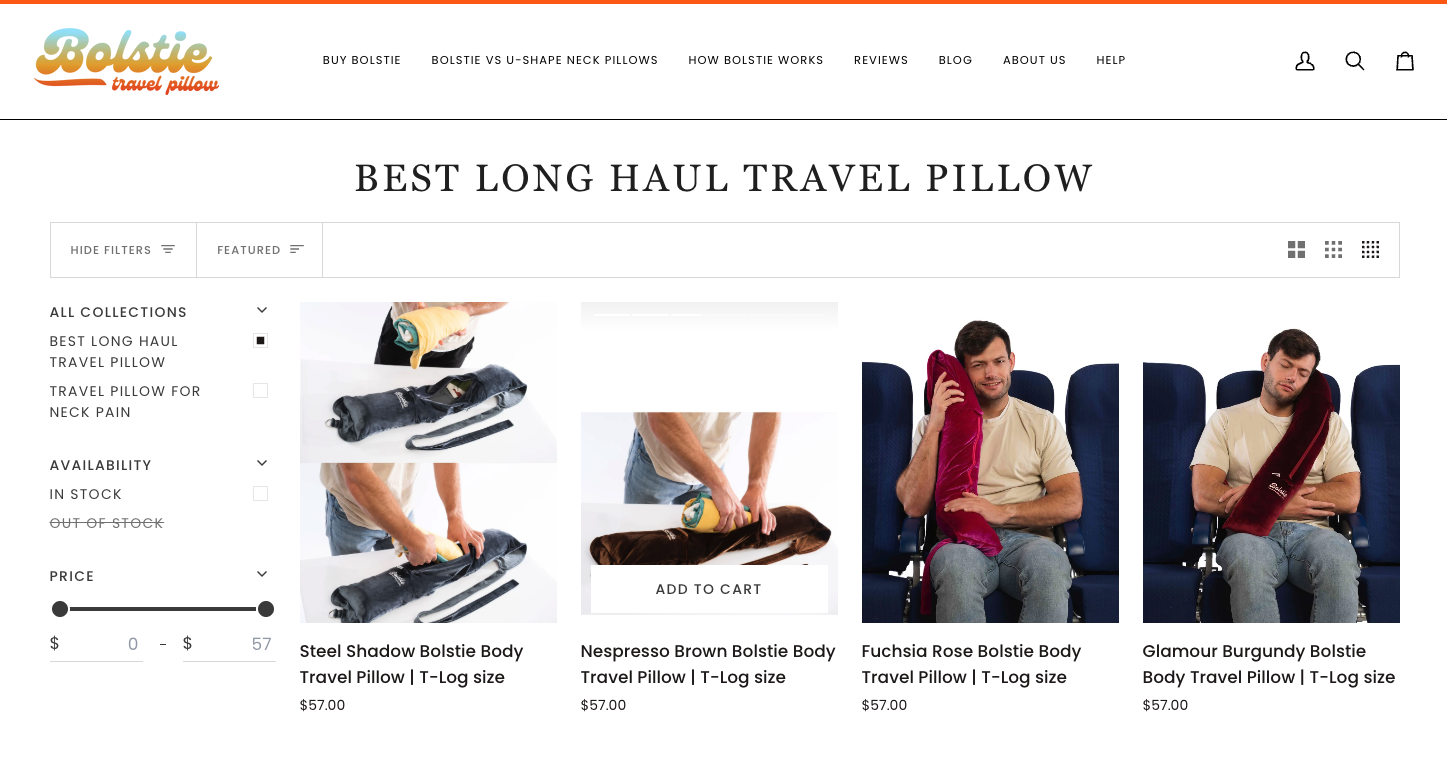
Take control of your travel rest today by exploring the Best Long Haul Travel Pillow collection. If you struggle specifically with neck discomfort, our specialized Travel Pillow for Neck Pain | Bolstie Smart Comfort offers targeted relief designed to keep you comfortable and relaxed.
Don’t settle for outdated neck-only pillows that cause strain. Visit Bolstie Travel Pillow to discover a practical upgrade for upright sleeping during travel. Your next journey deserves smarter comfort that works with your body—not against it.
Frequently Asked Questions
How can I ensure my travel pillow provides adequate upright support?
To ensure your travel pillow provides adequate upright support, choose a design that stabilizes your torso and adapts to your height and firmness preferences. Test the pillow by simulating your normal sitting position; it should allow your body to rest comfortably without collapsing forward or sideways.
What clothing can I use to customize my travel pillow for better comfort?
You can use rolled sweaters or jackets for added firmness, while softer materials like fleece can provide cushioning. Layer lightweight clothing items to adjust the pillow’s height, ensuring you create a comfortable resting setup that suits your needs.
What is the correct body position for comfortable upright sleeping during travel?
For comfortable upright sleeping, position your body diagonally at a 30-45 degree angle to follow your spine’s natural curve. Allow your shoulders to lean in a fluid manner, distributing weight evenly to reduce strain and enhance support during your journey.
Why should I avoid neck-only pillows when traveling?
Avoid neck-only pillows as they often lead to muscle tension and discomfort by concentrating pressure on a single point. Instead, choose travel pillows that support both your neck and upper body, allowing for a more balanced, comfortable sleeping experience.
How can I maintain airflow and reduce heat while sleeping on a plane or train?
To maintain airflow and reduce heat while sleeping, select travel pillows made from breathable materials and avoid dense fabric layers. Position yourself strategically to maximize air circulation, and consider wearing lightweight, moisture-wicking clothing to enhance comfort.
What are effective packing strategies to maximize space and comfort for travel?
Use compressible travel pillows that double as packing cylinders for efficient space usage. Focus on selecting lightweight and versatile clothing layers that can provide both comfort and support, minimizing the amount of gear you need to carry.
Recommended
-
How I Sleep on My Side in a Plane Seat, Even in Basic Economy – BOLSTIE TRAVEL PILLOW
-
How I Mimic Sleeping On My Side In Economy With This Travel Pillow – BOLSTIE TRAVEL PILLOW
-
A Travel Hack You Never Expected: From Elbow to Knee Pads to Total Pea – BOLSTIE TRAVEL PILLOW
-
A Piece of Me Feels Neutered on Every Flight with Other Pillows – BOLSTIE TRAVEL PILLOW

