

Long flights in economy class test your endurance with cramped legroom, stiff seats, and limited space to move. Neck pain, leg fatigue, and temperature swings make hours in the air feel endless. Many travelers arrive exhausted, stiff, and uncomfortable simply because they lack the right preparation. This guide shows you practical, space-efficient strategies to stay comfortable on long flights, from choosing the best seat to packing essential gear and caring for your body during the journey. Whether you fly frequently, travel with family, or struggle with neck discomfort, these tips help you survive and even rest well in economy.
Table of Contents
Key takeaways
| Point | Details |
| Seat selection matters | Aisle and exit row seats improve mobility and legroom, reducing physical stress during long flights. |
| Essential gear saves comfort | Body-based travel pillows, compression socks, and footrests prevent neck pain, leg fatigue, and circulation issues. |
| Movement prevents health risks | Walking and stretching every 45 to 60 minutes reduces blood clot risk and keeps muscles relaxed. |
| Layering regulates temperature | Zipped -front hoodie helps you stay comfortable as cabin temperatures fluctuate. |
| Mental preparation reduces stress | Bringing your own entertainment and organizing essentials minimizes frustration and boredom. |
Choose the best seat and prepare your space
Picking the right seat dramatically improves your comfort and mobility on long flights. Surveys show 60% of frequent flyers choose aisle seats for easy bathroom access and freedom to stretch without disturbing neighbors. Window seats appeal to 30% who value plane wall lean support with the right travel pillow and fewer interruptions. Exit row and bulkhead seats offer extra legroom, though some airlines restrict these seats to passengers who meet safety requirements or charge additional fees.
Before booking, check seat maps on websites like SeatMaps and AeroLOPA to identify seats with limited recline, proximity to lavatories, or reduced legroom. Avoid seats near galleys where crew activity and noise disrupt rest. Seats toward the front of the cabin typically experience less turbulence and allow quicker boarding and deplaning.
Once seated, organize your personal space strategically. Store a small bag with essentials like snacks, headphones, skincare, and chargers under the seat in front of you for easy access. This eliminates the need to repeatedly open overhead bins, reducing physical strain and disturbance to other passengers. Keep your jacket or blanket within arm’s reach to adjust quickly as cabin temperature changes.
Preparing your space before takeoff sets the foundation for a more comfortable flight. When you can access what you need without standing or stretching awkwardly, you conserve energy and reduce stress. This simple step complements other strategies for surviving long-haul flights in economy by giving you control over your immediate environment.
Pack essential travel gear to minimize discomfort
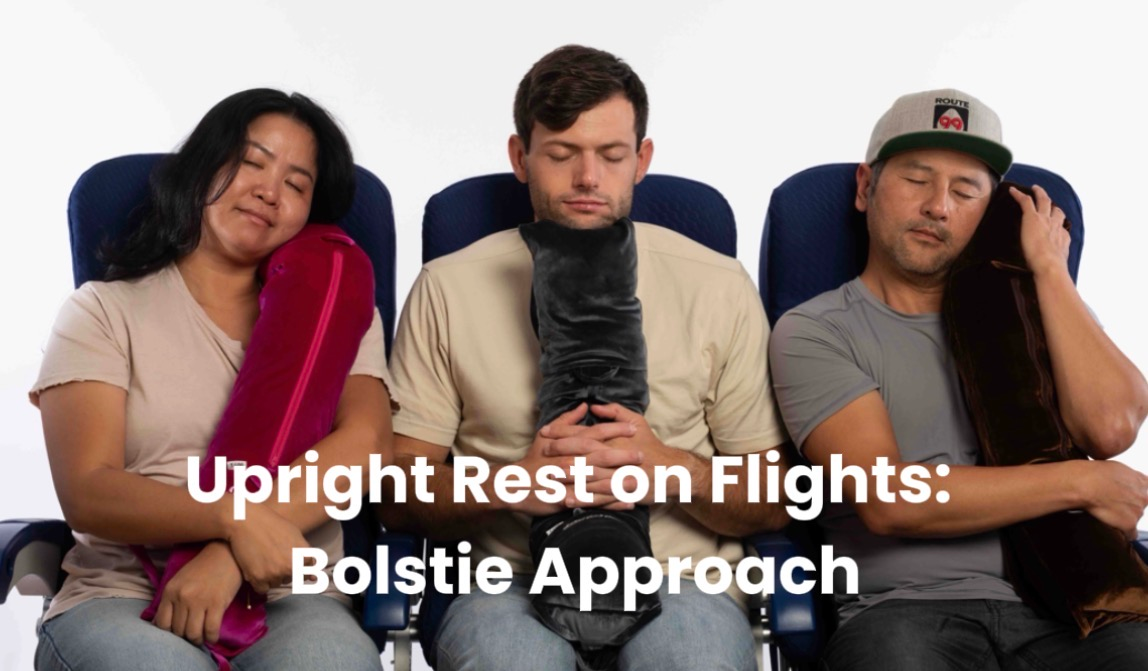
The right travel accessories transform a grueling flight into a manageable experience. Start with a quality travel pillow. Memory foam pillows are best as seat cushion, not for neck support. Inflatable models for neck support are not the best support as they offer little actual support, just like every u-shape traditional neck pillow on the market. . Look for designs that stabilize your head, jaw, and torso together, preventing forward head drop and neck strain. Traditional U-shaped pillows often collapse under head weight or restrict airflow, causing discomfort over long periods.
Footrests dramatically reduce leg fatigue and improve circulation. The Sunany Inflatable Foot Rest Pillow inflates to three heights and packs down to just 7 x 4 x 2 inches, making it ideal for carry-on luggage. Elevating your feet reduces pressure on your lower back and helps prevent blood pooling in your legs. You can also use your backpack as a makeshift footrest by placing it under the seat in front of you. Why carry extra gear when your backpack does the job easily.
Compression socks are non-negotiable for long flights. Compression stockings reduce deep vein thrombosis risk by 90% compared to not wearing them. DVT, a potentially life-threatening condition where blood clots form in deep veins, poses serious risks during prolonged immobility. Frequent flyers, pregnant travelers, and those with circulation issues benefit most from compression gear. For travelers who feel compression socks are tight and uncomfortable, use your backpack as footrest elevator.
Clothing choices matter as much as accessories. A zipper-front hoodie can be easily removed or wear depending on the temperature of the cabin. Layer of soft and cozy with a comfortable shirt and bring a large jacket that doubles as a blanket. Cabin temperatures fluctuate unpredictably, and layering lets you adjust without relying on airline blankets.
Pack a personal comfort kit with these essentials:
-
Blackout eye mask with 3D cutouts to avoid pressure on your eyes
-
Lightweight headphones or earbuds for noise control
-
Lip balm and moisturizer to combat dry cabin air
-
Light snacks like nuts or protein bars to avoid heavy meals
-
Power cords and portable battery to keep devices charged
-
Soft hoodie for extra warmth or lumbar support
Pro Tip: Choose travel gear that compresses small and attaches to your carry-on exterior with clips or straps. This maximizes interior packing space and keeps comfort items accessible without digging through your bag.
| Item | Purpose | Packing Size |
| Memory foam pillow | Seat cushion | Compresses to 6 x 8 inches |
| Inflatable footrest | Leg elevation and circulation | 7 x 4 x 2 inches deflated |
| Compression socks | Prevent blood clots | Fits in any pocket |
| Cozy Hoodie | Temperature regulation | Rolls to fist size |
| Eye mask and earplugs | Block light and noise | Palm-sized pouch |
Investing in quality, space-efficient gear pays off immediately. These items address the root causes of flight discomfort, from poor circulation to temperature swings, without adding bulk to your luggage. For more guidance on selecting the right accessories, explore ergonomic travel pillow benefits and travel discomfort solutions for 2026.
Move and care for your body during the flight
Prolonged immobility during flights creates serious health risks beyond simple discomfort. Approximately 1 in 4,500 passengers develop travel-related blood clots due to restricted movement in cramped seats. Deep vein thrombosis occurs when blood pools in leg veins, forming clots that can travel to the lungs or brain with potentially fatal consequences.
Wearing properly fitted compression socks addresses this risk directly. As noted earlier, compression stockings reduce DVT risk by 90% during long flights. Put them on before boarding and keep them on until you reach your destination. The graduated pressure improves blood flow from your feet back to your heart, preventing dangerous pooling.
Movement is equally critical. Stand and walk the aisle every 45 to 60 minutes, listening to your body’s signals. Even brief walks to the lavatory or galley keep blood circulating and prevent muscle stiffness. When walking is not possible, perform these simple in-seat exercises:
-
Ankle circles: Rotate each foot 10 times clockwise, then counterclockwise
-
Calf raises: Lift your heels off the floor while keeping toes down, hold for 3 seconds, repeat 15 times
-
Knee lifts: Raise one knee toward your chest, hold for 5 seconds, alternate legs for 10 repetitions
-
Shoulder rolls: Roll shoulders backward 10 times, then forward 10 times to release upper body tension
-
Neck stretches: Gently tilt your head side to side and forward, holding each position for 10 seconds
Hydration supports circulation but requires balance. Drink water regularly to prevent dehydration, which thickens blood and increases clot risk. However, overhydrating forces frequent bathroom trips that disrupt rest and annoy neighbors. Sip water steadily rather than gulping large amounts at once. Avoid excessive alcohol and caffeine, which dehydrate you and worsen circulation problems.
Eating strategy matters too. Heavy meals create uncomfortable pressure around your gut and make movement harder. Bring light snacks like nuts, fruit, or protein bars instead of relying on large airline meals. Eating smaller portions throughout the flight maintains energy without the bloated feeling that comes from overeating in a seated position.
Pro Tip: Set hourly reminders on your phone or watch to prompt movement during the flight. When the alert goes off, stand up, stretch, or walk for at least two minutes before resetting the timer.
Medical experts emphasize that immobility poses greater health risks than most travelers realize. Regular movement, compression gear, and proper hydration work together to protect circulation and prevent serious complications during long flights. These simple precautions can literally save your life.
Relaxing your body comes before quieting your mind. Tense muscles and poor circulation prevent quality rest no matter how tired you feel. Focus on physical comfort first through movement, proper support, and circulation aids. Once your body settles, your mind can follow. Sleep in 30 to 35 minute increments, shifting position periodically to avoid pressure buildup and blood pooling in any one area.
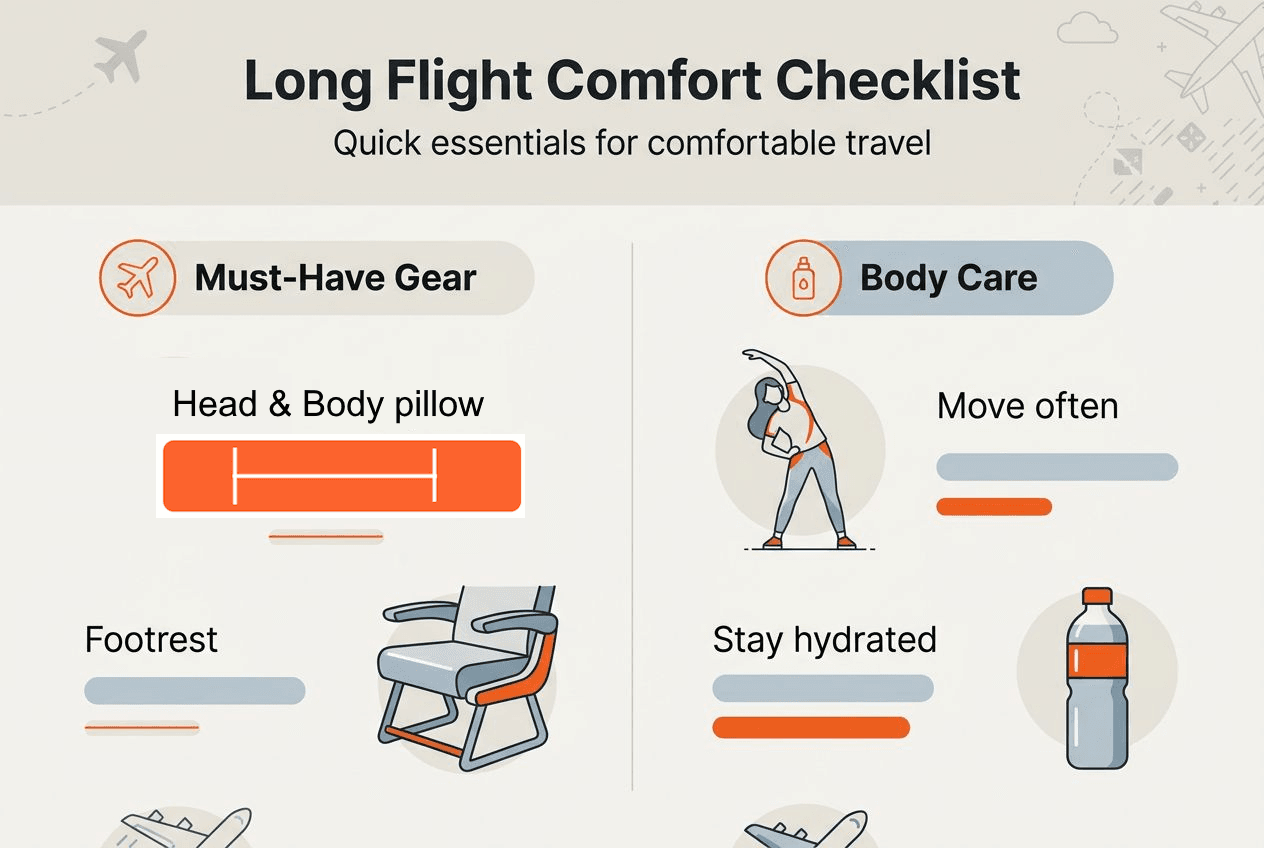
For additional strategies on maintaining comfort and health during flights, review this travel comfort checklist for 2026 and learn how to sleep comfortably on planes.
Plan for entertainment, mindset, and common challenges
Mental preparation separates tolerable flights from miserable ones. Most in-flight entertainment systems are limited or malfunctioning, leaving you staring at a broken screen for hours. Download movies, shows, podcasts, or books to your devices before departure. Bring a fully charged portable battery and charging cables to avoid dead devices mid-flight.
Parents face unique challenges on long flights. Pack a small, accessible bag with wipes, snacks, and a few quiet toys or activities to keep children occupied. Place this bag under the seat for instant access without disturbing other passengers. Preparation minimizes stress when children become restless or need immediate attention.
Preparation and mindset are keys to surviving long flights. Most in-flight stress comes from unrealistic expectations and lack of planning. Accept that economy seats are cramped and flights are long. Frustration changes nothing but ruins your experience. Instead, focus on what you control: your gear, movement routine, and mental attitude.
Anticipate common problems before they occur:
-
Bathroom emergencies: Sit in an aisle seat if you use the lavatory frequently
-
Dry skin and chapped lips: Pack moisturizer and lip balm in your personal item
-
Dead device batteries: Bring a portable charger and cables for all devices
-
Temperature swings: Layer clothing and keep a jacket accessible
-
Boredom: Load multiple entertainment options across different formats
Managing discomfort requires both physical and mental strategies. When neck pain or leg fatigue sets in, address it immediately with stretches, position changes, or a brief walk. Ignoring discomfort only makes it worse. Use your travel pillow to support your head and torso in an upright position, preventing the forward head drop that strains neck muscles.
Keep essentials within reach to avoid unnecessary overhead bin trips. Every time you stand to retrieve something, you risk waking neighbors, straining your back, and losing your settled position. Organize your under-seat bag thoughtfully so you can grab what you need without unpacking everything.
Adopting a calm, prepared mindset transforms how you experience long flights. When you expect challenges and have solutions ready, minor annoyances become manageable instead of overwhelming. This mental shift, combined with physical preparation, makes even the longest economy flight survivable. For more comprehensive guidance, read about long-haul flight survival strategies.
Discover travel comfort solutions from Bolstie
Now that you understand the strategies for surviving long flights, explore tools designed specifically for economy-class comfort. Bolstie specializes in travel pillows that support your body’s natural resting position without the bulk and restrictions of traditional neck pillows. Unlike U-shaped designs that squeeze your neck or collapse under head weight, Bolstie pillows stabilize your head, jaw, chest, and upper torso together, preventing forward head drop and neck strain.
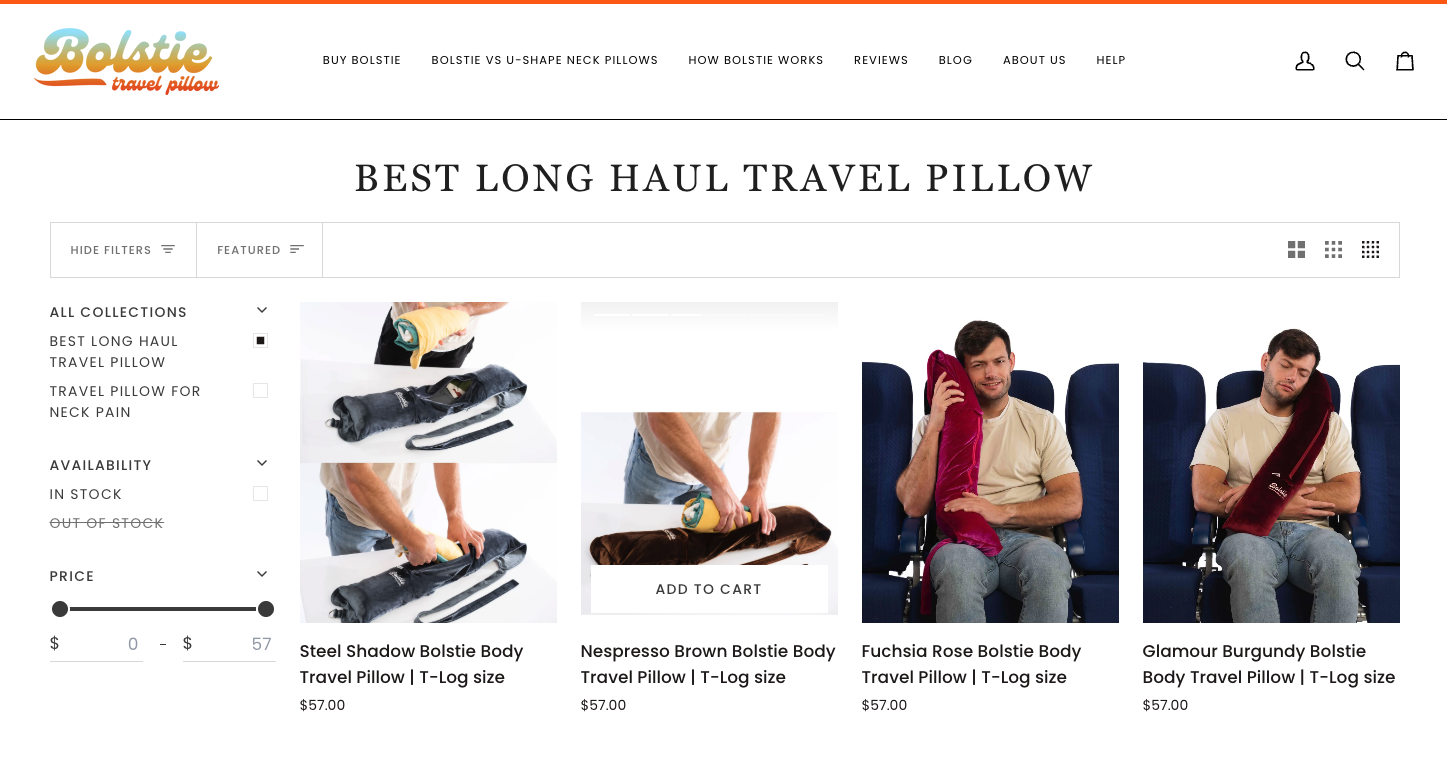
Bolstie pillows double as packing cylinders. When empty, they compress small for easy storage. When filled with clothing, they become firm, structured support pillows, saving valuable carry-on space and eliminating extra baggage fees. This smart design reflects Bolstie’s focus on practical solutions for real-world travel constraints.
Browse Bolstie’s collection of best long-haul travel pillows to find the right fit for your needs. Learn more about ergonomic travel pillow benefits and discover additional tips on how to survive long flights in economy. Bolstie’s blog offers in-depth guides on comfort strategies, gear recommendations, and travel wellness to help you arrive refreshed instead of exhausted.
How to survive long plane flights: frequently asked questions
What are the best seats on long economy flights?
Aisle seats offer the easiest bathroom access and freedom to stand without disturbing neighbors, making them ideal for frequent movers. Exit row and bulkhead seats provide extra legroom but may have restrictions or additional fees. Window seats work well if you prioritize headrest support and minimal interruptions. Check seat maps before booking to avoid seats near lavatories or with limited recline.
How can I prevent neck pain on a long flight?
Use a memory foam travel pillow that supports your head and torso together, preventing forward head drop. Avoid traditional U-shaped pillows that collapse or restrict airflow. Perform gentle neck stretches every hour by tilting your head side to side and forward. Sleep in short increments and shift positions regularly to avoid pressure buildup in neck muscles.
Are compression socks necessary for everyone during long flights?
Compression socks benefit all passengers on flights over four hours by improving circulation and reducing swelling. They are especially critical for frequent flyers, pregnant travelers, people over 40, and anyone with circulation issues or previous blood clot history. Wearing compression socks reduces deep vein thrombosis risk by 90%, making them a simple but powerful health precaution.
What are good clothing choices to stay comfortable on planes?
Layer natural fabrics like merino wool, which regulate temperature 25% better than synthetics. Start with a comfortable base layer, add a breathable shirt, and bring a large jacket that doubles as a blanket. Avoid tight clothing that restricts circulation. Slip-on shoes make security faster and allow you to remove footwear during the flight without struggling with laces.
How often should I move during a long flight to stay healthy?
Stand and walk the aisle every 45 to 60 minutes to maintain healthy circulation and prevent blood clots. If walking is not possible, perform in-seat exercises like ankle circles, calf raises, and knee lifts. Set hourly reminders on your phone to prompt movement. Even brief activity breaks significantly reduce health risks associated with prolonged sitting.
Recommended
-
How to Sleep Comfortably on Planes for Long Flights – BOLSTIE TRAVEL PILLOW
-
6 Travel Comfort Tips for Economy-Class Flights in 2026 – BOLSTIE TRAVEL PILLOW
-
Minimize travel discomfort for economy flyers: 2026 guide – BOLSTIE TRAVEL PILLOW
-
How to Survive a Long-Haul Flight in Economy: Courtesy of Bolstie – BOLSTIE TRAVEL PILLOW

