

Most travelers believe U-shaped pillows offer the best neck support during flights. Research shows over 60% of economy travelers experience neck strain despite using traditional pillows. Packing cylinder pillows challenge this assumption by supporting your entire upper body while doubling as luggage space. This guide explains how these innovative pillows transform economy-class rest and packing efficiency.
Table of Contents
-
Biomechanics Of Upright Sleep: Supporting The Diagonal Resting Position
-
Innovative Packing Cylinder Pillows: Design And Functionality
-
Comparing Travel Pillow Types: Traditional, Inflatable, And Packing Cylinder
-
Packing Smart: How To Use A Packing Cylinder Pillow Efficiently
-
Explore Ergonomic Packing Cylinder Pillows For Economy Travel
Key takeaways
| Point | Details |
| Multilayer support reduces strain | Diagonal body positioning stabilizes head, jaw, chest, and torso during upright sleep. |
| Clothing-filled pillows save space | Empty pillows compress small, then fill with clothes to create firm support and reduce luggage needs. |
| Traditional pillows have limitations | U-shaped and inflatable designs focus only on neck support and often cause discomfort. |
| Adjustable firmness improves comfort | Customizable fill allows personalized support that adapts to individual preferences and flight duration. |
Understanding the challenges of economy-class sleep
Economy seats restrict natural posture and movement, forcing your body into positions it wasn’t designed to maintain for hours. Vertical sitting creates muscle fatigue as your neck works constantly to prevent forward head drop. Poor airflow around traditional pillows worsens discomfort during long flights.
Common complaints include neck pain, upper torso stiffness, and inability to maintain comfortable positions. Traditional neck pillows address only cervical support while ignoring shoulder, chest, and jaw alignment. This narrow focus leaves most of your upper body unsupported and vulnerable to strain.
Limited seat recline in economy means you’re essentially sleeping sitting up. Your muscles fight gravity throughout the flight, leading to tension and poor rest quality. Sleep comfortably in economy class requires addressing full upper body support, not just your neck.
Key challenges include:
-
Restricted movement preventing natural sleep position adjustments
-
Lack of support for diagonal resting posture
-
Poor weight distribution causing pressure points
-
Limited ability to stabilize head without neck strain
Why traditional travel pillows fall short
U-shaped pillows wrap around your neck but fail to prevent head instability. Your head still drops forward or sideways, creating the exact strain these pillows claim to prevent. Traditional U-shaped pillows restrict airflow and cause heat buildup, making them uncomfortable for extended use.
Wrapping designs limit your ability to move or adjust position naturally. The fabric pressed against your skin traps heat and moisture, creating discomfort within the first hour. Many travelers remove these pillows mid-flight despite needing support.
Inflatable options promise portability but create new problems. Inflatable pillows may require frequent reinflation and feel less soft than non-inflatable types. Air leaks mean you wake to a deflated pillow, forcing you to reinflate during your flight when you should be resting.
Oversized memory foam pillows reduce mobility in already cramped seats. You sacrifice precious personal space for minimal comfort improvement. Many travelers wrongly assume bigger pillows equal better support, but bulk often creates more problems than solutions.
“The biggest mistake travelers make is focusing only on neck support while ignoring how their entire upper body needs stabilization during upright sleep.”
Common shortcomings include:
-
Neck-only support allowing head to drop forward
-
Heat retention from wrapping designs
-
Unreliable inflation mechanisms
-
Excessive bulk reducing seat comfort
-
Avoid traditional neck pillows that create these recurring issues
Biomechanics of upright sleep: supporting the diagonal resting position
Your body naturally rests at a diagonal angle when seated upright. Supporting this position reduces muscular strain by working with your anatomy instead of against it. Multi-point support stabilizes your head, jaw, chest, and torso simultaneously, distributing weight across multiple contact points.
This approach prevents the forward head drop that causes neck pain. When your head, jaw, and chest receive coordinated support, your neck muscles can finally relax. Diagonal body support pillows improve reported comfort by 35% during flights longer than 8 hours.
Enhanced stability leads to better overall rest quality. Your body spends less energy fighting gravity and more time in restorative sleep stages. Supporting the natural diagonal position allows micro-adjustments without fully waking, improving sleep continuity.
Key biomechanical benefits include:
-
Reduced cervical spine compression
-
Lower muscle activation in neck and shoulders
-
Improved breathing from better chest positioning
-
Enhanced blood flow from reduced pressure points
-
Natural alignment supporting longer rest periods
Pro Tip: Test your diagonal resting angle at home by sitting upright and leaning gently to one side until your neck relaxes. This natural position is what multi-point pillows support during flight.
Ergonomic travel pillow benefits extend beyond immediate comfort to reduce post-flight stiffness and fatigue.
Innovative packing cylinder pillows: design and functionality
Packing cylinder pillows revolutionize travel rest by merging ergonomic support with luggage efficiency. When empty, these pillows
The dual functionality eliminates the need for separate pillows and packing cubes. Your pillow becomes a packing solution, and your packed clothing becomes your comfort system. This integration saves luggage space while delivering superior support compared to traditional options.
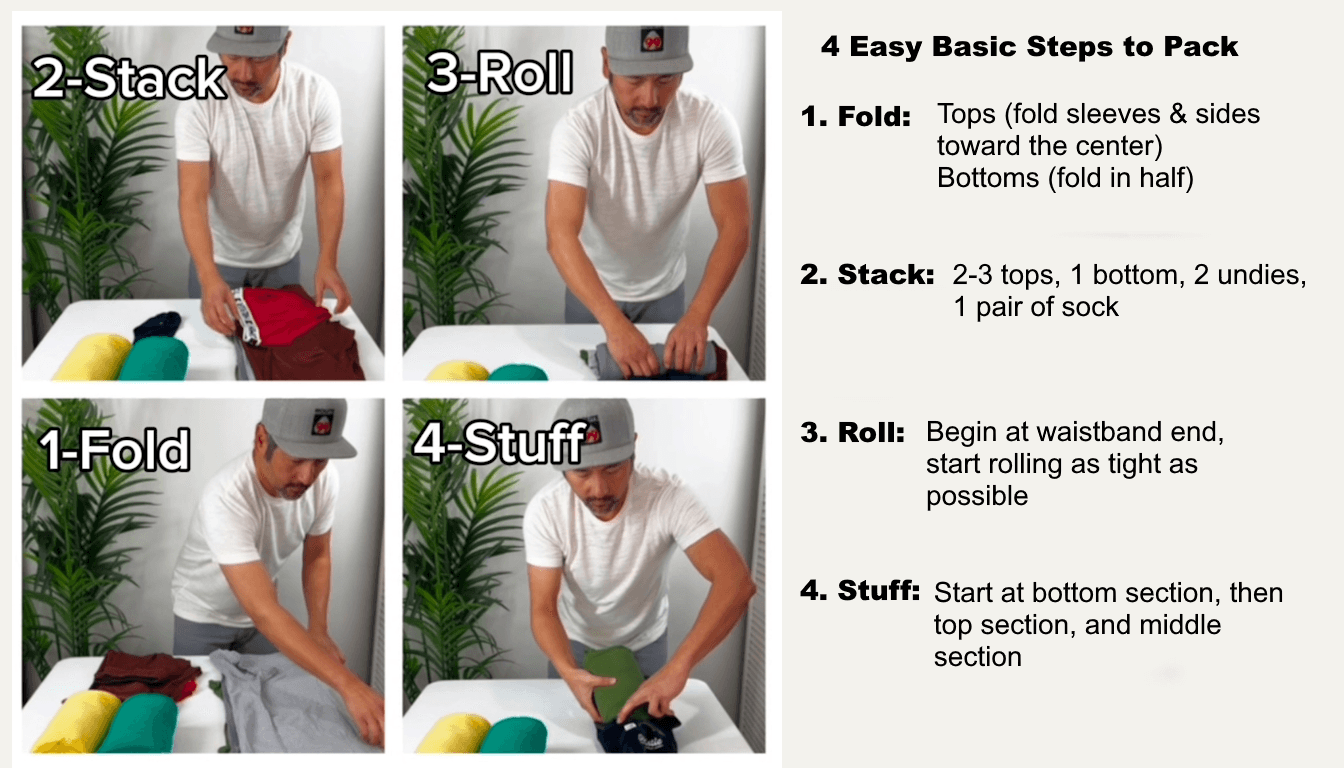
Multi-point ergonomic design supports your entire upper body, not just your neck. The cylindrical shape filled with clothing creates stable support for diagonal resting positions. Adjustable fill pillows enable customization within 5 minutes, improving satisfaction by 23%.
How to use packing cylinder pillows effectively:
-
Select uniform clothing items for consistent firmness
-
Fold tops with sleeves and side s toward the center; bottoms fold in half
-
Stack items on top of each other ( best combinations): 2-3- tops, 1 bottom, 1 undies, 1 pair of socks
-
Roll garments tightly before inserting into pillow ( begin at waistband end)
-
Test stuff pillow: If too loose, add more items; if too tight, remove some items
-
Stuff pillow with 3 bundled rolls of clothes
-
Compress empty pillow into carry-on when not in use
Quick adjustment remains possible even during travel. Remove or add clothing items to modify firmness without disrupting your rest. This flexibility adapts to changing comfort needs across different flight phases.
Pro Tip: Use t-shirts and lightweight sweaters for medium firmness, or add jeans and heavier items for maximum support during overnight flights.
Travel pillow selection steps help you choose the right fill materials and firmness for your specific needs. Detailed packing and filling tips optimize both comfort and luggage organization.
Comparing travel pillow types: traditional, inflatable, and packing cylinder
Understanding the differences between pillow types helps you make informed decisions. Each design offers distinct advantages and limitations based on your travel style and priorities.
| Feature | Traditional U-Shaped | Inflatable | Packing Cylinder |
| Ergonomic support | Neck only | Neck only | Multi-point upper body |
| Packing size | Large and bulky | Very compact | Compact when empty |
| Firmness adjustment | Fixed | Limited by air pressure | Fully customizable |
| Durability | High | Prone to leaks | High |
| Heat retention | High due to wrapping | Moderate | Low with open design |
| Setup time | Immediate | 2-3 minutes inflation | 1 minutes filling |
| Best use case | Short flights | Ultra-light packing | Long-haul economy |
Inflatable pillows pack small but may require reinflation and offer less softness than filled alternatives. Traditional pillows provide immediate use but sacrifice packing efficiency and ergonomic support.
Multi-point support pillows reduce neck pain by 40% compared to traditional neck pillows. This significant improvement comes from supporting your entire upper body rather than isolating neck support.
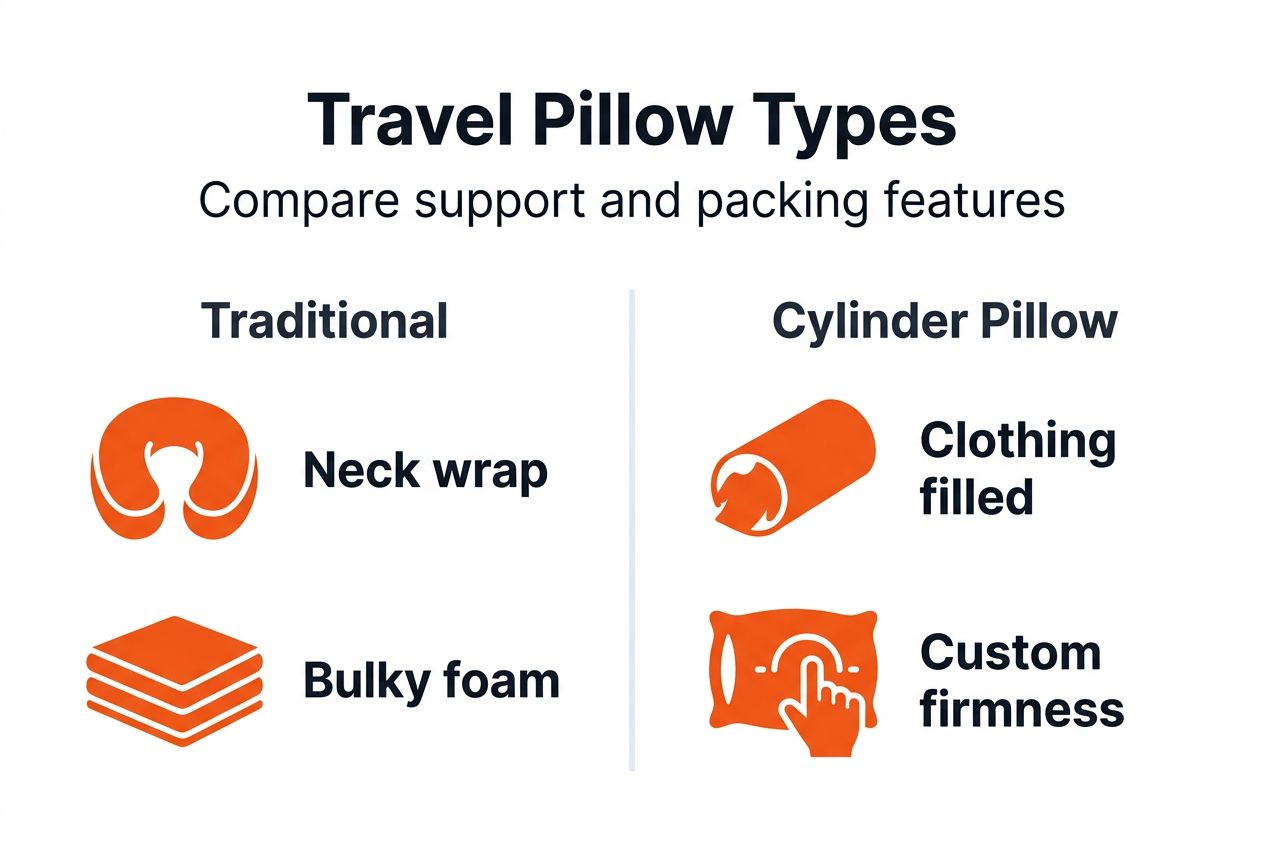
Packing cylinder pillows offer the unique combination of space efficiency and comprehensive support. While requiring brief setup time, they deliver superior comfort for extended flights. The clothing-fillable design means you’re essentially packing one item that serves two critical functions.
Durability varies significantly across types. Traditional foam pillows last years but take constant luggage space. Inflatable options fail when punctured, often at the worst possible moment. Packing cylinders match traditional durability while adding functional versatility.
Types of travel neck support explores additional pillow categories and specialized designs for specific travel scenarios.
Packing smart: how to use a packing cylinder pillow efficiently
Maximizing your packing cylinder pillow requires strategic clothing selection and filling techniques. Start by choosing items of similar thickness to create even support distribution. Mixing heavy jeans with thin t-shirts creates lumpy, uncomfortable fill.
Roll clothing tightly before insertion to maximize firmness and minimize air pockets. Loose, bunched fabric compresses unevenly under head weight, reducing support quality. Tight rolls maintain consistent density throughout use.
Fill your pillow incrementally to test support levels:
-
Add first layer of rolled clothing to establish base firmness
-
Test support by leaning your head and upper body against pillow
-
Add or remove items until you achieve comfortable resistance
-
Ensure even distribution across pillow length
-
Seal opening securely to prevent clothing shift during use
Compress the pillow completely when not in use to reclaim luggage space. The empty cylinder folds flat or rolls small, fitting easily into carry-on corners or external pockets. This versatility makes packing cylinder pillows ideal for multi-leg journeys where you need different clothing for various destinations.
Versatile applications include:
-
Long-haul flights requiring maximum support
-
Train travel with limited seat recline
-
Car trips for passenger comfort
-
Bus journeys on overnight routes
-
Airport rest periods between connections
Pro Tip: Pack one extra t-shirt specifically for pillow filling. This dedicated item lets you adjust firmness without unpacking clothing you plan to wear immediately upon arrival.
Upright sleeping tips complement proper pillow use with body positioning and relaxation techniques. Comprehensive clothing fill and packing guide details optimal garment types and rolling methods.
Common misconceptions about travel pillows debunked
Many travelers make pillow choices based on false assumptions that reduce comfort and increase luggage burden. Understanding these myths helps you select truly effective solutions.
Larger pillows do not automatically improve comfort. Oversized designs often create new problems by restricting movement and taking excessive space. Effective support comes from proper positioning and multi-point contact, not pillow volume.
Neck-only support proves insufficient for upright sleep needs. Your entire upper body requires stabilization to prevent strain and enable rest. Focusing solely on cervical support ignores the biomechanical reality of seated sleeping.
Inflatable pillows are not always best for packing efficiency. While they compress small when deflated, up to 70% of travelers experience discomfort due to inappropriate pillow choice based on shape and size. Air-filled designs often sacrifice comfort for portability.
Key misconceptions include:
-
Wrapping designs provide superior neck support
-
Memory foam always outperforms other materials
-
Pillow price directly correlates with comfort quality
-
One pillow type suits all travel scenarios
-
Setup time indicates pillow complexity or effectiveness
“Travelers often choose pillows based on what looks supportive rather than what actually supports their body’s natural resting position during upright sleep.”
Multi-point and adjustable pillows better support ergonomic needs by working with your body’s diagonal resting position. Choosing a pillow should consider both posture support and packing space requirements, not marketing claims or pillow size alone.
Upright sleeping guide provides evidence-based strategies for evaluating pillow effectiveness based on your specific travel patterns and comfort priorities.
Explore ergonomic packing cylinder pillows for economy travel
If you’re ready to transform your economy-class sleep experience, the Bolstie best neck travel pillow delivers the multi-point support and packing efficiency discussed throughout this guide. Designed specifically for upright sleeping, it stabilizes your head, jaw, chest, and torso in your natural diagonal resting position.
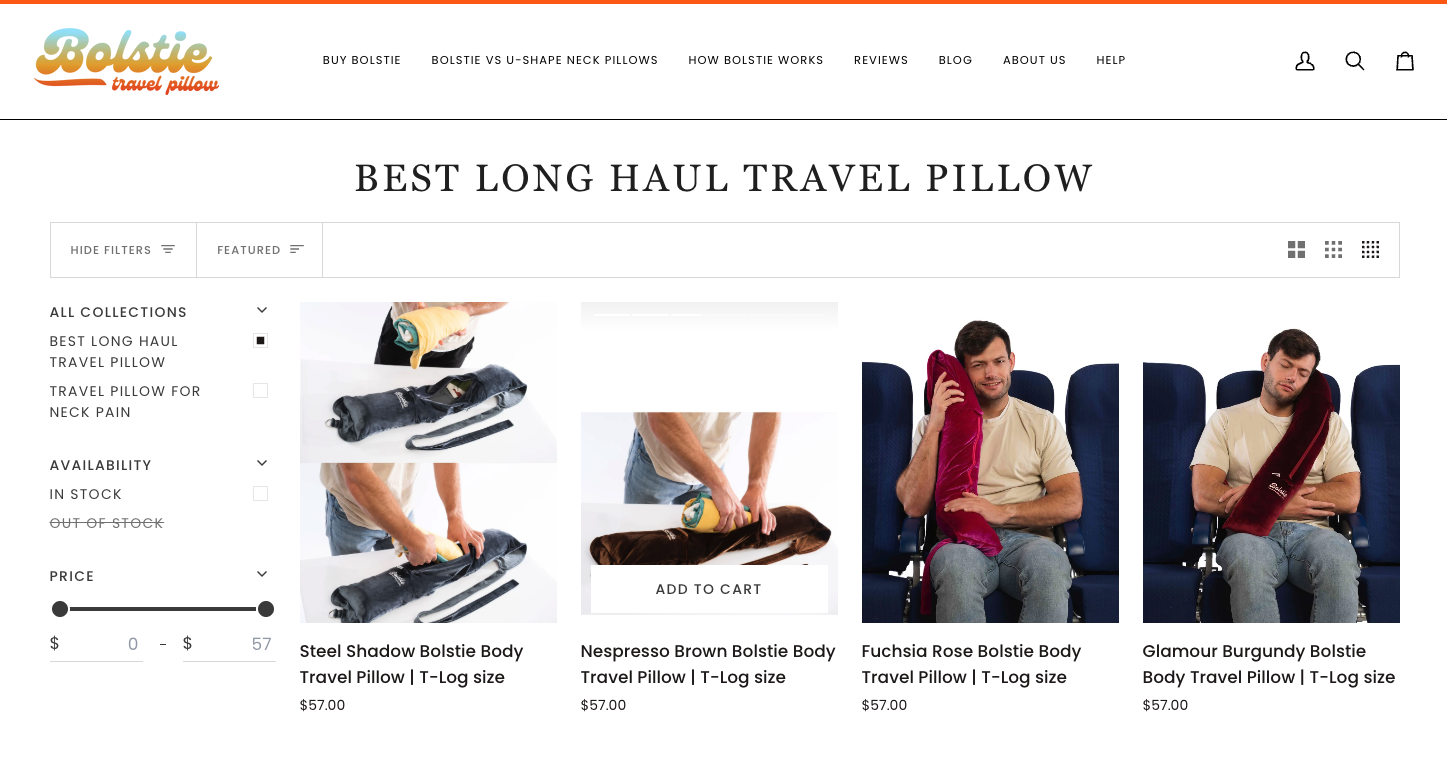
The Bolstie pillow compresses small when empty, saving valuable carry-on space. Fill it with your clothing to create customized firmness that adapts to your comfort preferences. This dual functionality eliminates the need for separate packing cubes while delivering superior support compared to traditional U-shaped or inflatable options.
Ideal for long-haul flights, overnight journeys, and any economy-class travel where quality rest matters, the Bolstie pillow helps you arrive refreshed instead of stiff and fatigued. The open design prevents heat buildup, keeping you comfortable throughout your flight.
FAQ
What is a packing cylinder pillow and how does it differ from traditional travel pillows?
Packing cylinder pillows fill with clothing to create firm, customized support and pack flat when empty, unlike traditional pillows with fixed fill and constant bulk. They provide multi-point upper body support rather than focusing solely on neck support. This design merges ergonomic comfort with luggage efficiency in one versatile travel item.
How do packing cylinder pillows improve sleep during long economy flights?
They stabilize your head, jaw, chest, and torso simultaneously, reducing muscle strain from maintaining upright posture for hours. Adjustable firmness and shape allow customized comfort that adapts throughout your flight duration. This comprehensive support enables deeper rest compared to neck-only pillow designs.
Can I use any clothing to fill a packing cylinder pillow effectively?
Uniform clothing items of similar size and thickness create the most even, reliable support. Tightly rolled or folded garments produce firmer, more stable fill than loose, bunched items. Mix heavy and light clothing strategically to achieve your preferred firmness level for optimal comfort.
Are packing cylinder pillows suitable for short travel or only long-haul flights?
They adapt to long-haul flights, overnight journeys, and shorter trips including trains and cars. Adjustable fill lets you customize support intensity for various travel durations and environments. The versatile design works anywhere upright sleeping occurs, not just on extended flights.
Recommended
-
How to Sleep Comfortably While Traveling in Economy Class – BOLSTIE TRAVEL PILLOW
-
How I Mimic Sleeping On My Side In Economy With This Travel Pillow – BOLSTIE TRAVEL PILLOW
-
6 Travel Comfort Tips for Economy-Class Flights in 2026 – BOLSTIE TRAVEL PILLOW
-
Travel pillow that’s both space-saving & comfort for economy-class – BOLSTIE TRAVEL PILLOW

