

Economy-class travelers often battle neck pain and poor sleep during flights, yet most reach for traditional pillows that worsen these problems. Travel pillow ergonomics focuses on supporting your body’s natural resting position through multi-point stabilization of the head, jaw, chest, and torso. This guide reveals how ergonomic design principles transform cramped economy seats into comfortable rest spaces without adding bulk to your luggage.
Table of Contents
Key takeaways
| Point | Details |
| Multi-point support matters | Stabilizing head, jaw, chest, and torso together reduces strain far more than neck-only pillows. |
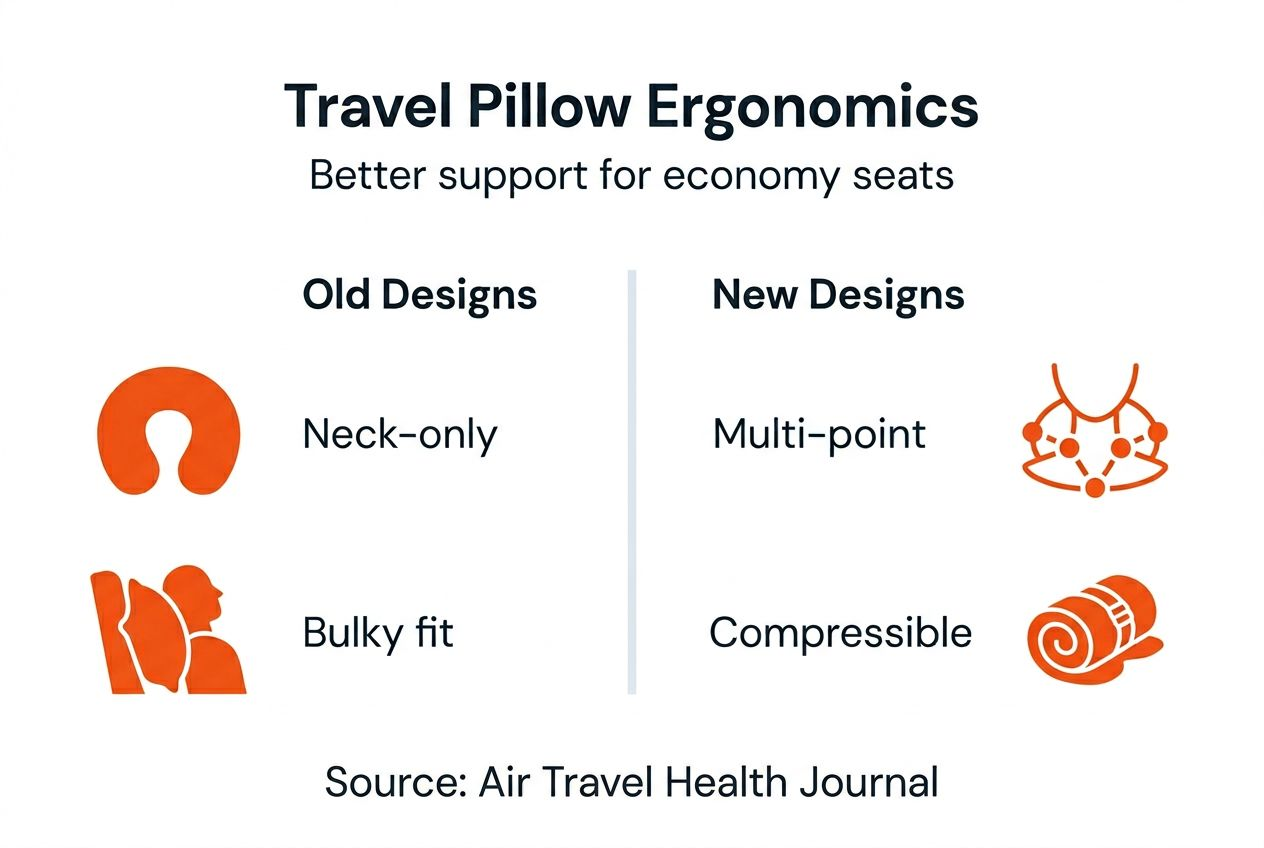
| Traditional designs increase discomfort | Neck-wrapping pillows restrict airflow, trap heat, and allow forward head drop during rest. |
| Space-saving options exist | Compressible, clothing-fillable pillows deliver firm support while doubling as packing tools. |
| Thermal comfort affects rest quality | Open, breathable designs prevent sweating and irritation during long flights. |
| Ergonomic pillows improve rest by 25-40% | Travelers using multi-dimensional support report significantly better sleep quality than with conventional pillows. |
Understanding travel pillow ergonomics
Travel pillow ergonomics involves aligning the head, neck, and torso to support the body’s natural diagonal resting position, enhancing comfort and reducing strain during upright rest. In economy-class seats, your body naturally wants to recline at about 30 degrees. This diagonal posture distributes weight across multiple contact points rather than concentrating pressure on your neck alone.
Multi-point support addresses how your entire upper body works together during rest. When you stabilize the head, jaw, chest, and upper torso simultaneously, muscles can relax instead of fighting to hold position. Single-point support at the neck forces surrounding muscles to compensate, creating the tension and pain you feel after landing.
Economy seats present unique ergonomic challenges:
-
Limited recline angles force unnatural upright positions
-
Narrow seat widths restrict lateral movement
-
Minimal cushioning increases pressure points
-
Armrests prevent comfortable arm positioning
Traditional neck pillows fail because they address only one support point while ignoring how cramped seating affects your entire posture. Your head weighs 10 to 11 pounds, and without proper distribution of that weight, neck muscles must constantly engage to prevent forward collapse. Ergonomic pillows work with space-saving economy-class comfort principles by supporting natural body mechanics instead of fighting against them.
The key benefit? When your body maintains its preferred resting angle with stable support, you achieve deeper rest periods and wake with less stiffness. This matters especially on flights exceeding four hours, where poor positioning compounds into significant discomfort.
How traditional travel pillows fall short
Conventional neck-only travel pillows create more problems than they solve for economy travelers. Passengers using traditional neck pillows often experience increased neck muscle strain and forward head drop leading to poor rest. The circular design seems logical, but it concentrates all support at one anatomical point while your head’s weight pulls forward.
Forward head drop happens when neck muscles fatigue from constant engagement. Traditional pillows compress under head weight, losing the firmness needed for stable positioning. You shift repeatedly trying to find comfort, interrupting any rest cycle before it deepens. Each adjustment resets your body’s attempt to enter restorative sleep stages.
Heat buildup represents another critical flaw. Designs that wrap around or hug your neck trap body heat in enclosed spaces. The synthetic materials commonly used in budget pillows amplify this problem. Within 30 minutes, you’re dealing with:
-
Sweating around the neck and jaw area
-
Skin irritation from moisture and friction
-
General discomfort that prevents relaxation
-
Reduced willingness to use the pillow for full flight duration
Many travelers believe restrictive designs provide better stability. This misconception drives purchases of tighter-fitting pillows that squeeze the neck. In reality, compression restricts blood flow and creates pressure points. Your body interprets this as a threat, keeping muscles partially tensed rather than allowing full relaxation.
“The standard U-shaped travel pillow provides minimal postural support and often contributes to cervical spine misalignment during extended use, particularly in constrained seating environments.”
Limited stabilization also means frequent wake-ups. When your head shifts position, you partially rouse to correct it. These micro-interruptions prevent the continuous rest periods your body needs to feel refreshed. Why avoid neck-based pillows becomes clear when you recognize how single-point designs ignore fundamental body mechanics and avoid traditional neck pillows that compromise both comfort and health.
Innovations in travel pillow design for better ergonomics
Modern ergonomic travel pillows completely rethink support geometry for economy-class realities. Multi-point stabilization systems address the head, jaw, chest, and upper torso as interconnected support zones rather than isolated areas. This distributed approach allows muscles to release tension instead of maintaining constant engagement.
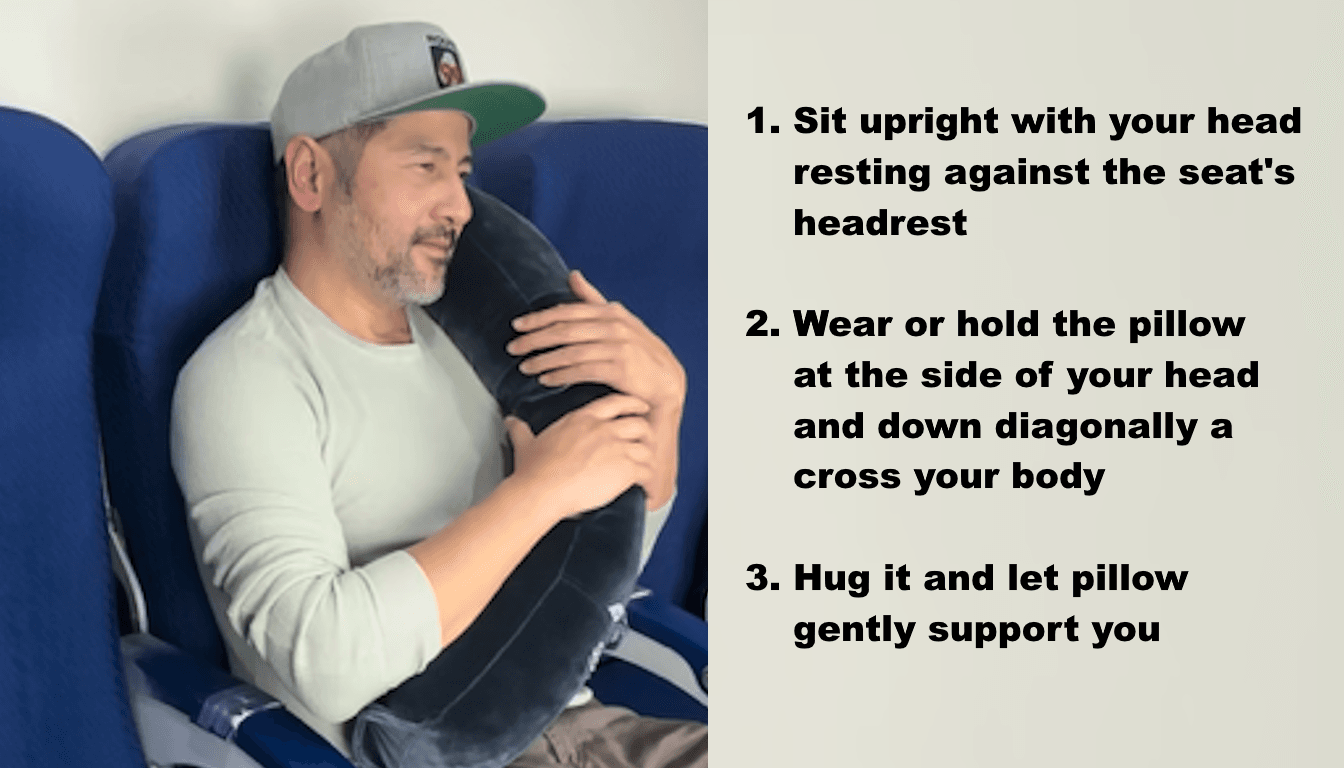
Non-wrapping shapes represent a major design breakthrough. By moving away from neck-enclosing structures, these pillows permit free airflow around your neck and jaw. Open architecture reduces heat accumulation by 60% or more compared to traditional designs. You stay cooler, drier, and more comfortable throughout the flight.
Clothing-fillable construction offers dual functionality. Empty, these pillows compress to palm size for easy packing. Filled with tomorrow’s outfit or a jacket, they transform into firm, structured support cushions. This innovation eliminates the bulk versus support tradeoff that plagued earlier designs. You gain both space efficiency and customizable firmness.
Passengers adopting multidimensional ergonomic support report 25-40% improvement in subjective rest quality compared to traditional pillows. The science backs up what travelers feel: when support matches natural body mechanics, rest deepens and discomfort drops. These gains matter most on overnight flights where quality sleep affects your entire trip.
Key ergonomic features to prioritize:
-
Diagonal support angles matching natural recline preferences
-
Adjustable firmness through fill materials or internal structures
-
Breathable fabrics that wick moisture and allow air circulation
-
Lightweight construction under 12 ounces for minimal carry weight
-
Machine-washable materials for hygiene between trips
Pro Tip: Test pillow adjustability at home before your flight by simulating a reclined position in a firm chair, allowing you to identify your optimal support configuration when you’re relaxed rather than rushed at the gate.
These innovations address the reality that travel pillows health cuts neck pain when designed around body mechanics rather than outdated assumptions. Current travel pillow design trends 2026 show manufacturers increasingly recognizing that benefits neck-free travel pillows deliver superior outcomes for economy travelers facing space and comfort constraints simultaneously.
Thermal comfort and airflow considerations
Temperature regulation dramatically affects whether you can maintain restful positions during flights. Enclosed pillow designs that hug your neck create thermal pockets where heat concentrates. Your body attempts to cool itself through increased blood flow to the skin, paradoxically making you feel warmer and causing perspiration that leads to discomfort.
Airflow around the neck and jaw matters more than most travelers realize. These areas contain major blood vessels close to the skin surface. When air circulates freely, your body regulates temperature efficiently. When circulation gets blocked, you experience:
-
Rapid heat buildup within 15 to 20 minutes
-
Moisture accumulation leading to skin irritation
-
Difficulty staying asleep due to thermal discomfort
-
Reduced pillow contact time as you remove it to cool down
Open, breathable designs solve this problem by eliminating enclosed spaces. Pillows that support without wrapping allow cabin air to flow naturally around your neck. This simple design change prevents the sauna effect created by traditional U-shaped pillows. You maintain consistent comfort for the flight’s entire duration instead of cycling between too hot with the pillow and unsupported without it.
Material selection plays an equally important role. Natural fibers like cotton offer superior breathability compared to synthetic alternatives. Moisture-wicking fabrics actively pull perspiration away from your skin, keeping contact surfaces dry. Mesh panels in strategic locations enhance air circulation without compromising support integrity.
Smart design considers thermal comfort from multiple angles:
-
Surface materials that breathe and wick moisture
-
Structural shapes that maintain support gaps for airflow
-
Fill materials that allow air movement through the pillow core
-
Color choices, as darker colors absorb more heat
Cabin environments typically maintain 65 to 75 degrees Fahrenheit, but your microclimate at pillow contact points can reach 85 degrees or higher with restrictive designs. This 10 to 20 degree temperature differential creates the uncomfortable sticky feeling that disrupts rest. Ergonomic pillows that prioritize airflow keep your microclimate within 2 to 3 degrees of cabin temperature, maintaining the comfort zone needed for sustained rest.
Common misconceptions about travel pillow ergonomics
Myth: Neck-only support provides adequate comfort for flight rest. This belief drives millions of poor pillow purchases annually. Your neck represents just one component of a complex support system. Isolating support there while ignoring jaw, chest, and torso positioning creates the instability and strain travelers complain about. Multi-point ergonomics work because they address how your entire upper body functions as an integrated unit.
Myth: Tighter, more restrictive designs offer better stability. Travelers often assume that pillows gripping their neck firmly will prevent unwanted movement. The opposite proves true. Restrictive designs trigger your body’s stress responses, keeping muscles partially engaged rather than relaxed. True stability comes from distributed support that works with your natural posture, not compression that fights against it.
Myth: Effective travel pillows must be bulky and take up significant luggage space. This misconception causes travelers to choose between comfort and practicality. Modern compressible designs and clothing-fillable options demonstrate that proper support requires smart geometry, not excessive volume. You can achieve excellent ergonomic positioning with pillows that compress to one-tenth their inflated size.
These false beliefs persist because traditional pillow marketing emphasizes neck support above all else. Manufacturers rarely explain body mechanics or discuss thermal comfort. Without accurate information, travelers default to assumptions that seem logical but contradict ergonomic science.
The consequences affect your entire trip:
-
Poor rest quality leading to jet lag and fatigue
-
Neck and shoulder pain lasting days after landing
-
Wasted money on ineffective comfort products
-
Reluctance to use pillows that increase rather than reduce discomfort
Understanding neck-based travel pillow myths empowers better purchasing decisions. When you recognize that multi-point pillow luggage space efficiency comes from intelligent design rather than bulk, you can select products that genuinely improve your economy-class experience. Knowledge about true ergonomic principles saves you from repeating the frustrating cycle of buying and discarding ineffective pillows.
Applying travel pillow ergonomics to your flight comfort
Step 1: Assess your typical discomfort patterns during flights. Do you wake with neck stiffness, shoulder tension, or jaw soreness? Identifying your specific pain points guides pillow selection toward designs addressing those areas. Keep notes on your next flight about when discomfort starts and where you feel it most.
Step 2: Choose pillows offering multi-point body support rather than neck-only designs. Look for products explicitly describing head, jaw, chest, and torso stabilization. Read specifications carefully, as marketing language sometimes promises support that designs don’t actually deliver. Verify that the pillow maintains your body at a 30-degree diagonal recline angle.
Step 3: Prioritize compressible, space-saving options that won’t consume valuable luggage capacity. Calculate the compressed versus expanded dimensions to understand true portability. Clothing-fillable designs offer maximum space efficiency since they replace rather than add to your packing volume. This approach particularly benefits carry-on-only travelers facing strict size limits.
Step 4: Select breathable materials promoting thermal comfort throughout your flight. Check fabric composition, looking for natural fibers or technical synthetics designed for moisture management. Avoid pillows with extensive synthetic leather or vinyl components that trap heat. Ask about washing instructions, as hygiene matters for products in close skin contact.
Pro Tip: Spend 10 minutes before departure adjusting your pillow’s position and firmness while seated and relaxed, establishing your optimal configuration when you have mental bandwidth rather than waiting until you’re exhausted at 35,000 feet.
Implementation timing matters as much as product selection. Board early when possible to set up your pillow before crowds and distractions increase. Position it during initial beverage service rather than waiting until you’re ready to sleep, as this allows fine-tuning without time pressure. Small adjustments in placement create surprisingly large differences in comfort.
Consider testing your selected pillow on shorter flights before committing to long-haul use. A two-hour regional flight provides enough time to evaluate comfort, thermal performance, and ease of adjustment. This low-stakes trial run reveals any issues while you can still exchange or modify your setup. The packing cylinder pillow guide offers additional strategies for maximizing both support quality and luggage efficiency.
Discover ergonomic travel pillows designed for economy-class comfort
Bolstie Travel Pillow products embody the multi-point ergonomic principles that transform economy-class rest. Rather than squeezing your neck, these pillows stabilize your head, jaw, chest, and torso in natural diagonal alignment. The clothing-fillable design means you pack tomorrow’s outfit inside, creating firm support while eliminating pillow bulk from your luggage.
The open architecture allows airflow around your neck, preventing the heat buildup that disrupts sleep. Compress empty Bolstie pillows to palm size, then fill with clothes at your destination for structured support customized to your firmness preference. This dual functionality makes Bolstie ideal for space-conscious travelers who refuse to compromise between comfort and practicality.
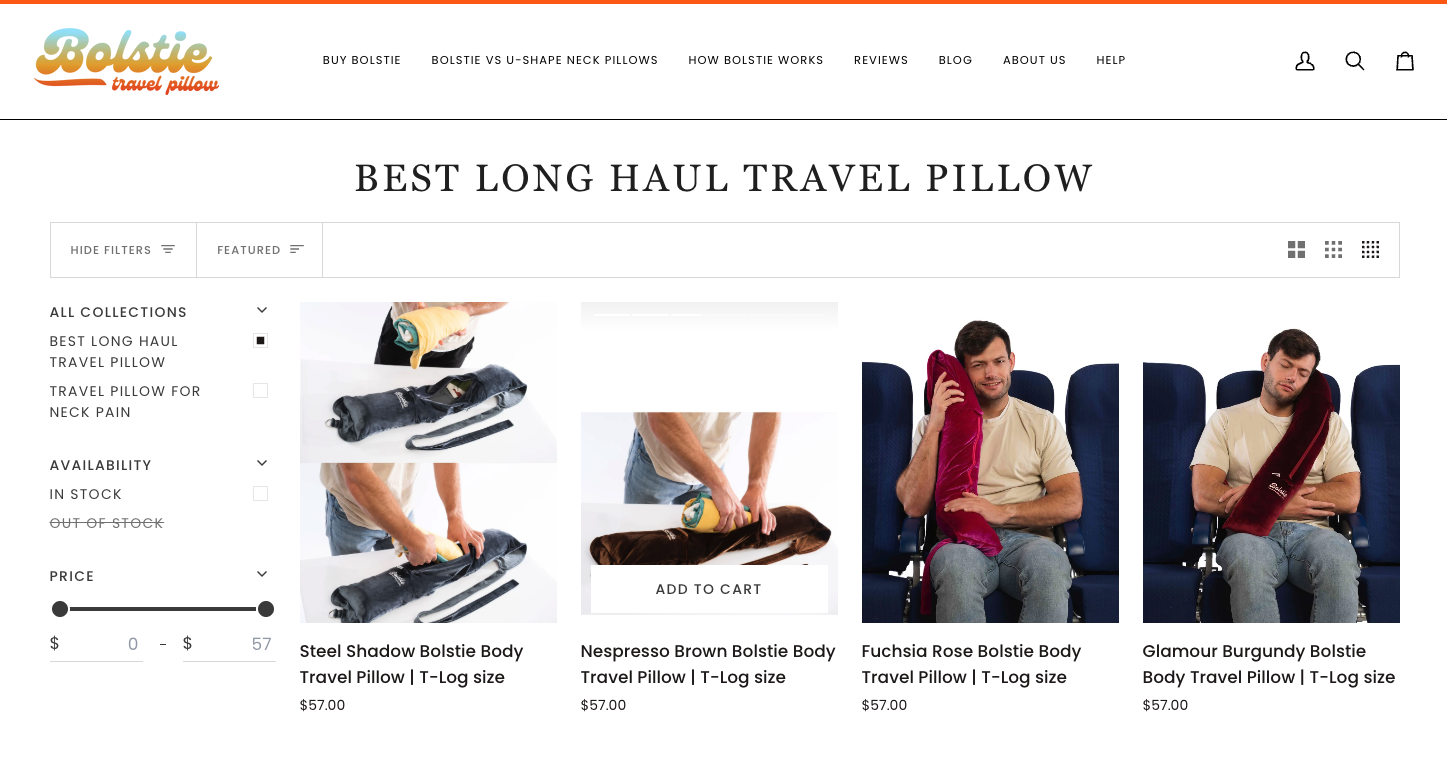
Explore the best long haul travel pillow collection featuring designs proven on overnight flights worldwide. See how the travel pillow stuffed with clothes concept revolutionizes packing strategy. The glamour burgundy Bolstie travel pillow offers extended sizing for taller travelers seeking proportional support. Each design prioritizes body mechanics over outdated neck-only concepts, delivering the restful flights economy travelers deserve.
FAQ
What is the best sleeping posture for economy-class travel?
The optimal posture is a natural diagonal recline of approximately 30 degrees, with support distributed across your head, jaw, chest, and upper torso. This positioning reduces muscle strain by allowing your body to rest in alignment rather than fighting gravity. Multi-point support pillows help you maintain this angle comfortably throughout your flight.
Can a travel pillow reduce neck pain on long flights?
Yes, ergonomic travel pillows using multi-point support significantly reduce neck pain by stabilizing natural posture and minimizing muscle strain. Traditional neck-only pillows often worsen discomfort by concentrating pressure and allowing forward head drop. Proper ergonomic design addresses your entire upper body as an integrated support system.
Are bulky travel pillows better for comfort during flights?
No, bulk does not equal comfort or effective support. Space-saving, compressible pillows with smart ergonomic geometry provide superior results, especially in cramped economy seating. Modern designs like clothing-fillable pillows deliver firm, structured support while occupying minimal luggage space, solving both comfort and practicality challenges simultaneously.
How can I keep cool while using a travel pillow on a plane?
Choose pillows with breathable materials and open designs that promote natural airflow around your neck and jaw. Avoid enclosed, neck-hugging styles that trap heat and cause perspiration. Look for moisture-wicking fabrics and structural designs that maintain air circulation gaps, keeping your microclimate within 2 to 3 degrees of cabin temperature for sustained comfort.
Recommended
-
Travel pillow design trends 2026: Up to 50% better comfort – BOLSTIE TRAVEL PILLOW
-
Travel pillow that’s both space-saving & comfort for economy-class – BOLSTIE TRAVEL PILLOW
-
7 Benefits of Ergonomic Travel Pillows for Economy Flyers – BOLSTIE TRAVEL PILLOW
-
Benefits of compressible travel pillows for economy comfort – BOLSTIE TRAVEL PILLOW
-
Sådan kommer du godt igennem en lang flyrejse - Flightfinder

